And suddenly, life is good.
The sun has finally set on winter, and spring has sprung. Continue reading

And suddenly, life is good.
The sun has finally set on winter, and spring has sprung. Continue reading
It’s time to shift the focus away from the foods we shouldn’t be eating, and shine the light on some of the fabulously nutritious foods in life.
They are so great that you don’t have to go to a health food store to buy them, or earn a six figured wage to afford them. Their nutritional values have been long recognised, and they don’t need to marketed as a superfood to sell.
1. OATS
Yeah, okay, so maybe Uncle Toby’s started labelling the humble oat a superfood, but I guess you could call that evolution. A sign of the times. Oats start out as Groats and as they are dehulled, cut, kilned, steamed and rolled, different varieties such as steel cut, scottish, muesli, traditional/rolled and quick oats are produced.
The starchy carbohydrates in oats provide a natural source of energy which help our bodies and brain power through until lunchtime. Oats are one of the lowest glycaemic index wholegrain and provide many nutrients including dietary fibre, antioxidants, minerals, vitamins, lignans and phytonutrients. They are rich in the soluble fibre beta-glucan which is found in the bran and endosperm layer of the grain. Beta-glucan has been demonstrated to lower cholesterol levels by inhibiting the re-absorption of cholesterol into the bloodstream. Oats are also a source of thiamin and magnesium which are important for the supply of energy, carbohydrate breakdown, and numerous other processes within the body.
Oats are gluten free BUT due to potential contamination with wheat in the field or across the supply-chain, they cannot be labelled as gluten free in Australia and New Zealand. Also, they contain a protein called avenin, and some clinical studies have shown that this can cause a reaction and intestinal damage in approximately 20% of Ceoliac disease sufferers. Ceoliac Australia recommends that for individual wishing to consume oats as part of the gluten free diet, a biopsy prior to and 3 months during regular oat consumption should be done to determine its safety on the individual.
Naturally low in sodium, a bowl of porridge or muesli is a great breakfast choice. Try to choose rolled oats over the quick variety, as the processing does reduce the fibre content. Make your porridge with milk rather than water to boost the protein content and add some very important calcium. Top with greek yoghurt, nuts, seeds and some fruit and you’ll have yourself a nutrient dense breakfast that will keep you full till lunch time!
2. GREEK YOGHURT
As far as I’m concerned, if I have no greek yoghurt in my fridge I have nothing in my fridge. I have a problem.
Aside from the obvious benefits on bone health, greek yoghurt varieties contain twice the protein than natural yoghurt, which makes for a satisfying snack or great addition to your bowl of morning muesli.
Unlike other yoghurts, greek yoghurt is strained to remove the whey. Removing the whey also removes water, and results in the thick and creamy texture that has us thinking we’re indulging in full fat cream. This texture also makes it incredibly versatile in the kitchen.
The major benefit of greek yoghurt is that it contains probiotics. Probiotics are live micro-organisms that help stimulate the good bacteria that live in our guts and keep our digestive tract healthy. Probiotics help improve digestion, reduce bloating and diarrhoea, relieves the symptoms of irritable bowel syndrome and help prevent the overgrowth of bad bacteria.
3. EGGS
I’m super lucky that my mother has chooks (which sometimes I think she loves more than me), and I often leave home with a supply of eggcellent eggs.
Eggs are nutrient powerhouses, always available on the supermarket shelf and super easy to cook. One egg contains up to 7 grams of high biological value protein, and the provide valuable B vitamins, essential omega-3 fatty acids, iron, selenium. They also contain approximately 5g of fat and their cholesterol content has caused eggs to get a bad rap for years. But before you go throwing away the yolks folks, the yolk contains half the protein and the Heart Foundation recommends that within a diet that is low in saturated fat, all Australians can enjoy up to 6 eggs a week without adversely affecting their risk of heart disease. Hooray!
So, make sure you keep up a supply. They make a quick breakfast, lunch or dinner. Hardboiled eggs also make a good snack, and you’ll need that egg for that cake you plan to bake too..
4. BLUEBERRIES
Generally frozen, rarely fresh. I actually think I like them better frozen. And they are nutritionally as good, with a student-friendly price tag.
Blueberries are full of antioxidants such as Vitamin C and A, which makes them berry berry good for you. When our body metabolises oxygen, unstable molecules called ‘free radicals’ are produced. These free radicals can damage DNA and other cells and have been linked to heart disease, liver disease and cancer. Antioxidants neutralise these free radicals and protect the body from the damage they can cause. Pretty cool. They taste delicious, make your food go purple (that’s the anthocyanin pigment!) and are low in kilojoules too. I love to have blueberries with my morning muesli, or chucked in my pancakes or muffins, or frozen with greek yoghurt for an after dinner snack.
5. BROCCOLI
Or any other cruciferous vegetable for that matter. The other day I looked in the crisper and I had broccoli, cauliflower, brussels sprouts, red cabbage AND tuscan kale. Today not so much. Cauliflower’s were $7 EACH in woolies yesterday!
Cruciferous vegetables are part of the Brassica group of plants. They are packed full of fibre which helps keep you full and away from the cookie jar. Plus they are low in kilojoules and high in water, so they can help with weight maintenance too. Fibre has also been linked to lower rates of Type 2 Diabetes and cardiovascular disease. They are a rich in vitamin and minerals including vitamins A and C, folate, potassium and magnesium which are beneficial for protecting our hearts, immune systems, eyes, reducing the risk of cancer..The list goes on, and on.
You can eat them raw or cooked, from fresh or frozen. Team with other vegetables such as carrots or capsicum, and make sure you fill about half your plate with these good guys.
And lastly,
6. ALMONDS
I’m absolutely nuts about nuts. In particular, almonds (and peanut butter but that’s for another day). Not only are almonds delicious and super versatile, they are packed with heaps of health benefits.
Almonds are a rich source of healthy unsaturated fats, vitamin E and plant sterols which are all really important in keeping our blood cholesterol within a healthy range and ensuring our hearts stay healthy. They also contain iron, zinc and calcium too, which is valuable for our vegetarian and vegan friends. For all you non-dairy folks, a 30g serve (about 20 almonds) provides about 70mg Calcium so these will be a welcome addition to your diets. Like all plant foods, almonds are a source of dietary fibre and help keep our digestive system healthy.
Studies have also been shown to improve blood glucose control, and contrary to popular belief, help with weight management. So it’s time for you to go nuts about nuts. Enjoy a small handful as a snack, use almond meal in your cake mixes or pancakes (makes them so moist!) or sprinkle in your stir fries or on your porridge.
∼
What six foods do you always stock at home?
Emma xo
HEALTHY BONES ACTION WEEK, 4-10 August 2014.
Many people seem to have a nutrient or food they focus on, whether that be for a medical condition or just because of their personal preferences. Such as iron for vegetarians, saturated fat for those with high cholesterol, and carbohydrates for people with diabetes. Body builders and resistance athletes tend to focus on protein, and some people just endeavour to get as many superfoods into their morning smoothie. You get my drift.
Overall, I aspire to have a healthy, balanced diet, but if anything concerns me particularly, it’s my calcium intake. My grandmothers bones are well and truly beaten, and my mothers bone density test a few years back did not come with good prospects. So my bones are an aspect of my health I’m definitely concerned about. And quite frankly, we all should be.
Developing osteoporosis really sucks. Four or so years back, my grandmother backed into a street sign and broke her pelvis. Hardly a high impact crash, and yet she spent eight weeks in a hospital bed with her feet up. That’s the reality of having brittle bones, even minor bumps can cause a fracture.
It is estimated that 1.2 million Australian’s have Osteoporosis and another 6.3 million are at risk. Totalling one third of Australia’s population, as our nation ages this rate is set to increase with our ageing nation. Pretty scary hey? The funny thing is, most people recognise the importance of calcium-rich foods in building strong bones and teeth and preventing Osteoporosis, yet most Australians fail to meet their recommended serves of dairy and/or dairy equivalents each day.
Crazy right?
In an ideal world we would all have a bowl of cereal with milk for breakfast, a tub of yoghurt for morning tea, and a cheese & salad sandwich for lunch. But we’re all individuals with different taste buds, needs and opinions, so I have friends that don’t like drinking milk and a father that cringes at the suggestion of yoghurt (Are we really related?).
I could bang on about more reasons for Australian’s not consuming adequate calcium until the cow’s come home. Pun intended. Instead, I’m going to take the boring out of breakfast and provide you with twenty-five ways to help you to get in your dairy serves each day.
∼
Breakfast
1. Two slices of wholegrain toast with 1/2 cup ricotta cheese, fresh berries and a drizzle of honey, or for those savoury lovers, ricotta with sliced tomato and cracker pepper.
2. Overnight oats. Endless possibilities with this one.
3. Lemon and Ricotta pancakes. I used Heidi Sze’s ricotta pancake recipe and swapped the ginger & lime for lemon.
5. Baked beans on toast, with grilled tasty cheese. mmm cheese.
6. Banana & PB smoothie. 1 cup of low fat milk, a dollop of yoghurt, one banana and a tbsp of peanut butter… Yes please.
Lunch
7. Canned pink salmon (keep the bones) with apple & fennel slaw
9. Zucchini Slice: Mix 1-2 carrots (grated), 1 large zucchini (grated) with 1 cup reduced fat cheddar cheese, 1 grated onion, 6 eggs, 1/2 cup SR flour, 3 slices of short cut bacon (diced) and 1/4 cup milk. Combine and bake in over for 35-35 minutes at 180°C.
10. Indian caramelised onion and split pea soup.
12. Top pita bread with spinach, sardines (in tomato or BBQ sauce), cherry tomatoes and cheese, then grill.
Dinner
14. Roast pumpkin & ricotta pie
15. Swap chicken with tofu on a BBQ tofu pizza
16. Roast pumpkin & spinach lasagne. I love this recipe!
17. Swap your sour cream on baked potatoes & mexican food for greek yoghurt. If the tartness isn’t your forte – add some lime zest & juice.
18. BBQ sardines with salsa verde
Snacks
19. A tub of yoghurt – check out Susie Burrell’s review on the top picks.
20. Ricotta with vegetable sticks or on ryvita’s.
21. Cheddar cheese & sliced apple. Interesting combo that’s been featuring on my housemate’s snack plate the past few weeks.
22. Remember, your afternoon cappuccino and lattes count too.
23. Use greek yoghurt as a substitute for sour cream in tzatziki and serve with vegetable sticks.
24. Handful of almonds. This won’t be a full serve of dairy equivalents but a great contribution nonetheless.
and one for dessert,
25. Frozen yoghurt. The homemade kind. I love to freeze plain greek yoghurt with some blueberries. I stir it every ten minutes and wait till it’s like a fro-yo consistency. (Whatever you do, don’t leave it to get rock hard and icy).
∼
For more information on what equals one serve, click here.
In addition to ensuring adequate calcium, weight bearing exercise & getting enough sunshine is also essential for healthy, strong bones! Don’t be fooled by your one hour walk in the sun either, I had my vitamin D tested the other week and it was too low!
Happy ‘Healthy Bones Action Week‘ everyone!
Emma xo
Okay, I’ll be honest. For the love of Chobani Greek yoghurt.

A few weeks ago, I let you into my little adventure to a Chobani Workshop & Masterclass. (If you’re new to my ramblings, you can read about it here.)
One question I was asked was ‘how do you use Chobani?’, and today I’m going to share that with you.
But first, why do I love to use Chobani so much?
It’s thick and creamy. Then it must be full fat, right? Wrong.
There are no fat and low fat varieties available. With and without fruit.
It’s the straining process which removes the excess whey that makes it so thick, and results in its high protein content. ~10g protein/100g for the plain, and about ~8g/100g for the fruit containing varieties.
This also results in quite a strong flavour, and may have you running for the hills. But it quickly grows on you, I promise (I used to eat artificially sweetened flavoured yoghurts for goodness sake).
It’s also relatively low in sugar. I have heard concern expressed re: sugar content of the fruit varieties. Keep in mind that this comes predominately from the lactose (naturally present sugar in milk products) and the fruit.
The Australian manufactured varieties are also free from GMO’s.
And I love it because it’s so extremely versatile and can be a healthy substitute for sour cream, cream and even ice-cream.

∼
So here are a few tips of how to use plain Chobani. Some are mine, plus a few I’ve picked up from friends along the way.
– It’s a great snack. If you don’t like the flavour, add some frozen berries or a sprinkle of cinnamon.
– With fruit, muesli and a sprinkle of nuts & seeds for a well balanced breakfast.

– In smoothies, or mix a tbsp or two with a frozen banana to make some soft serve.
– Or just put it in the freezer. It makes a great fro-yo. Just mix it every ten minutes so it doesn’t go rock hard & icy.

This plain was mixed with frozen blueberries & frozen.
– It can be a replacement for sour cream on your tacos, nachos, soups and baked potatoes.
– It can replace cream cheese or feta cheeses in your homemade dips. With a drizzle of sweet chilli sauce, it can make a great dipping sauce too.
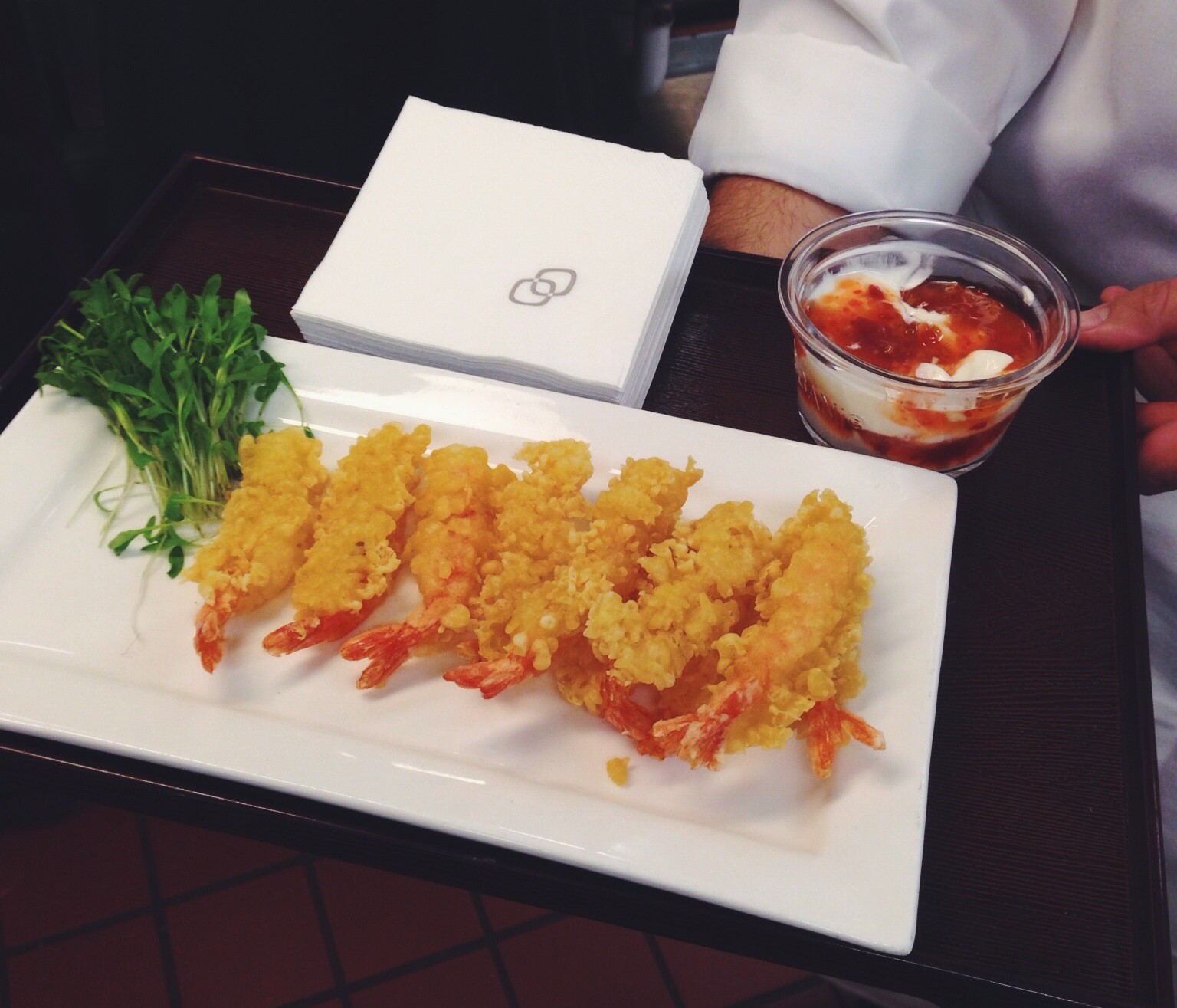
– I’m currently using it as a salad dressing. Mix a tsp with some dijon mustard, smoked paprika, olive oil and lime juice. It’s a winner.
I’ve also used it as a topping on pancakes, pizzas, in cupcake icing and in muffins. The possibilities are endless.
So tell me, how do you use your greek yoghurt?
Happy Friday.
Emma xo
This morning I had a date with fellow breakfast enthusiasts Jenna and Sarah.
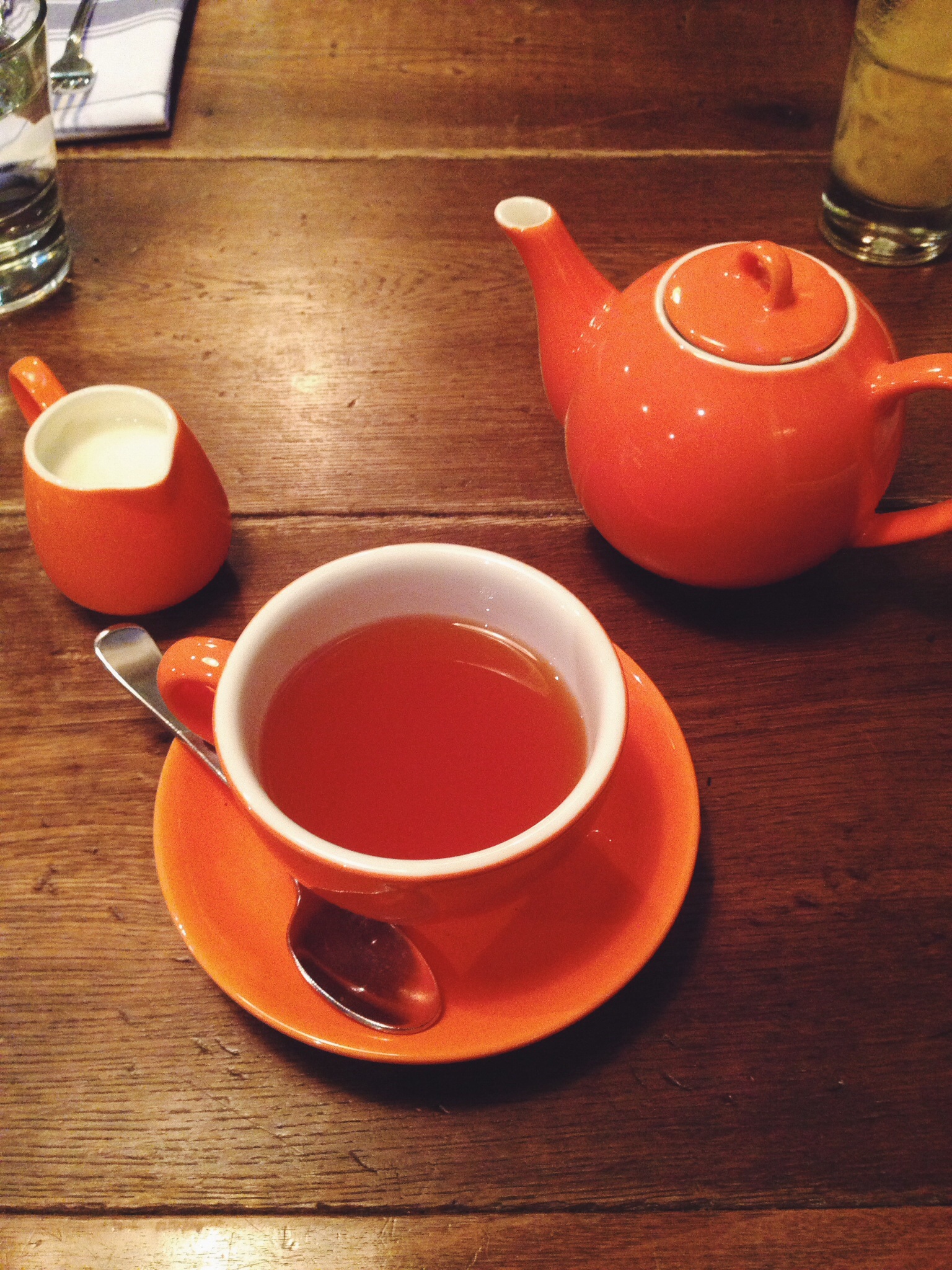
We were off to Crabapple Kitchen on Glenferrie Road, Hawthorn on Sarah’s recommendation. It’s a cute little cafe with white picket fences lining the road and orange crockery. The staff were pleasant, very attentative and had us seated within five minutes.
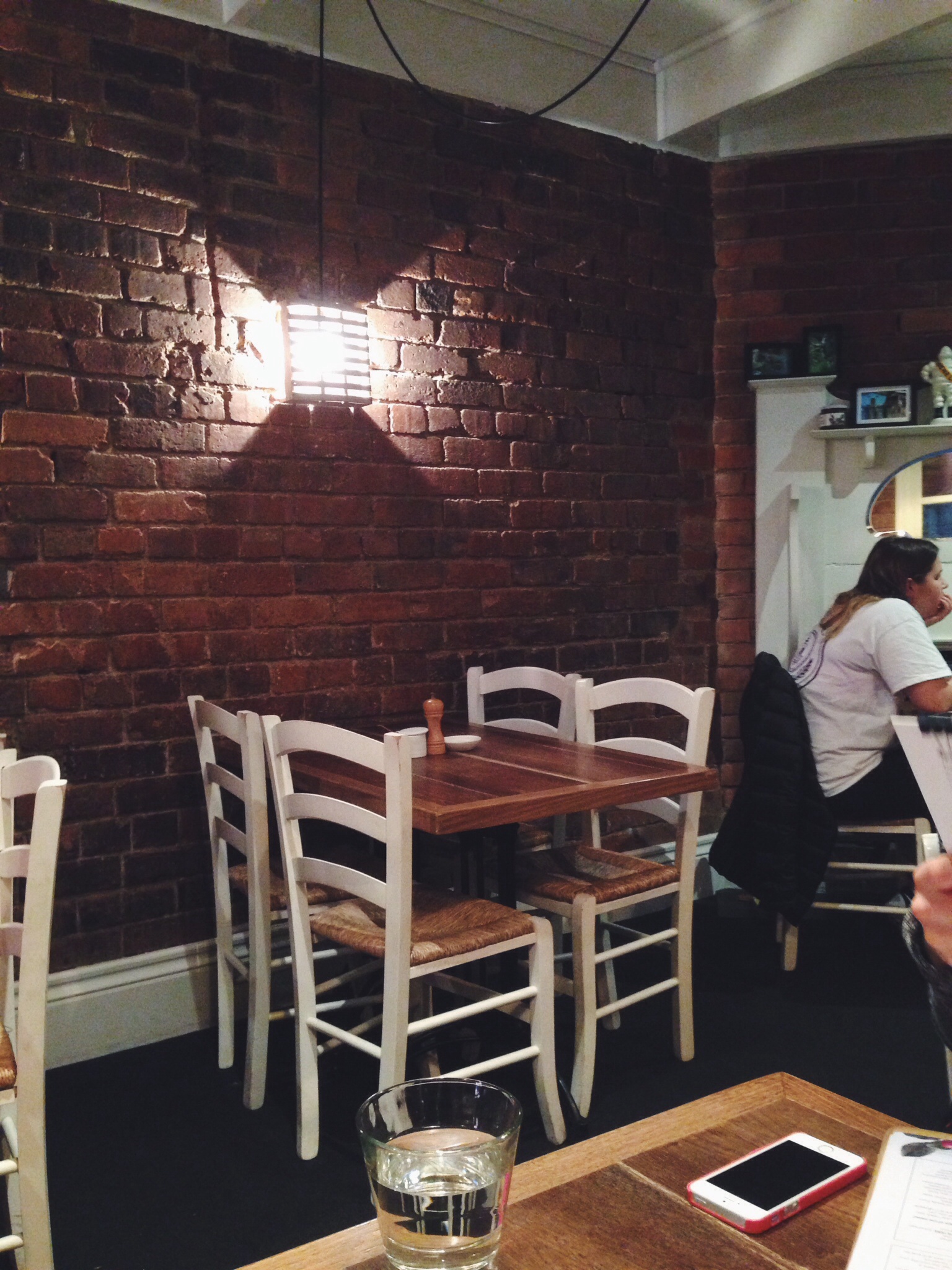
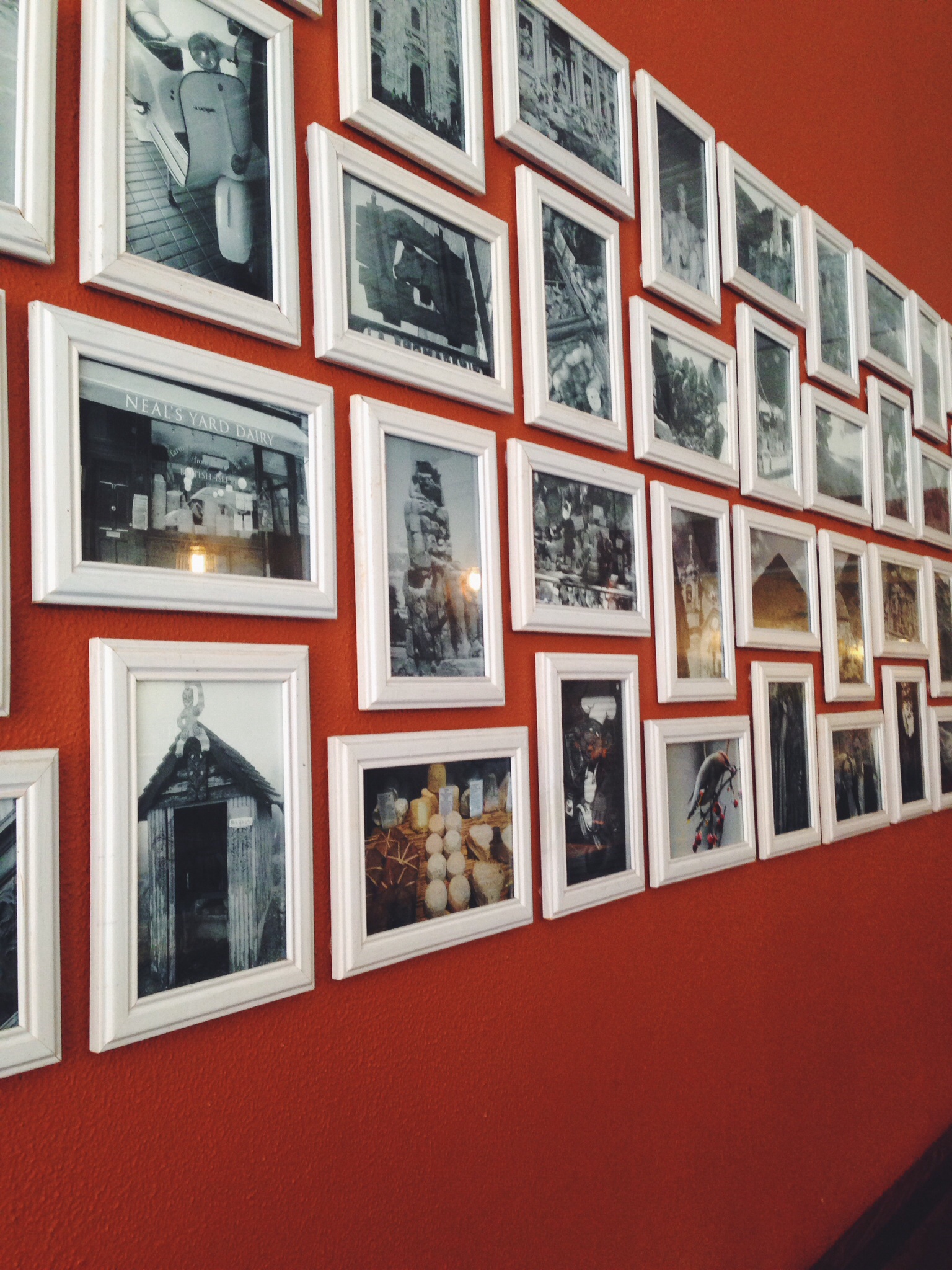
Like any planned food excursion, I always do my research and suss out the menu. Today I went with the plan of either:
Heilala vanilla yoghurt with rosewater poached rhubarb, blueberries, five seed maple crunch, bee pollen and coconut, or
Creamy porridge with golden sultana, apple & cinnamon compote, streusel crumble and a drizzle of NZ manuka honey, or
Natural muesli (oats, goji berries, figs, raw almonds, cranberries, sunflower seeds and puffed corn) with vanilla yoghurt.
In true Emma style, I went against my decision. It only took ten minutes and the, I quote the waitress, ‘Life-changing’ Myrtleford buttermilk pancakes with pears in spiced sugar, pecan & pine nut praline, white chocolate mascarpone and pure Canadian maple syrup was sitting in front of me. Without the side of bacon (I still can’t quite work out the sweet-pancake-bacon thing).
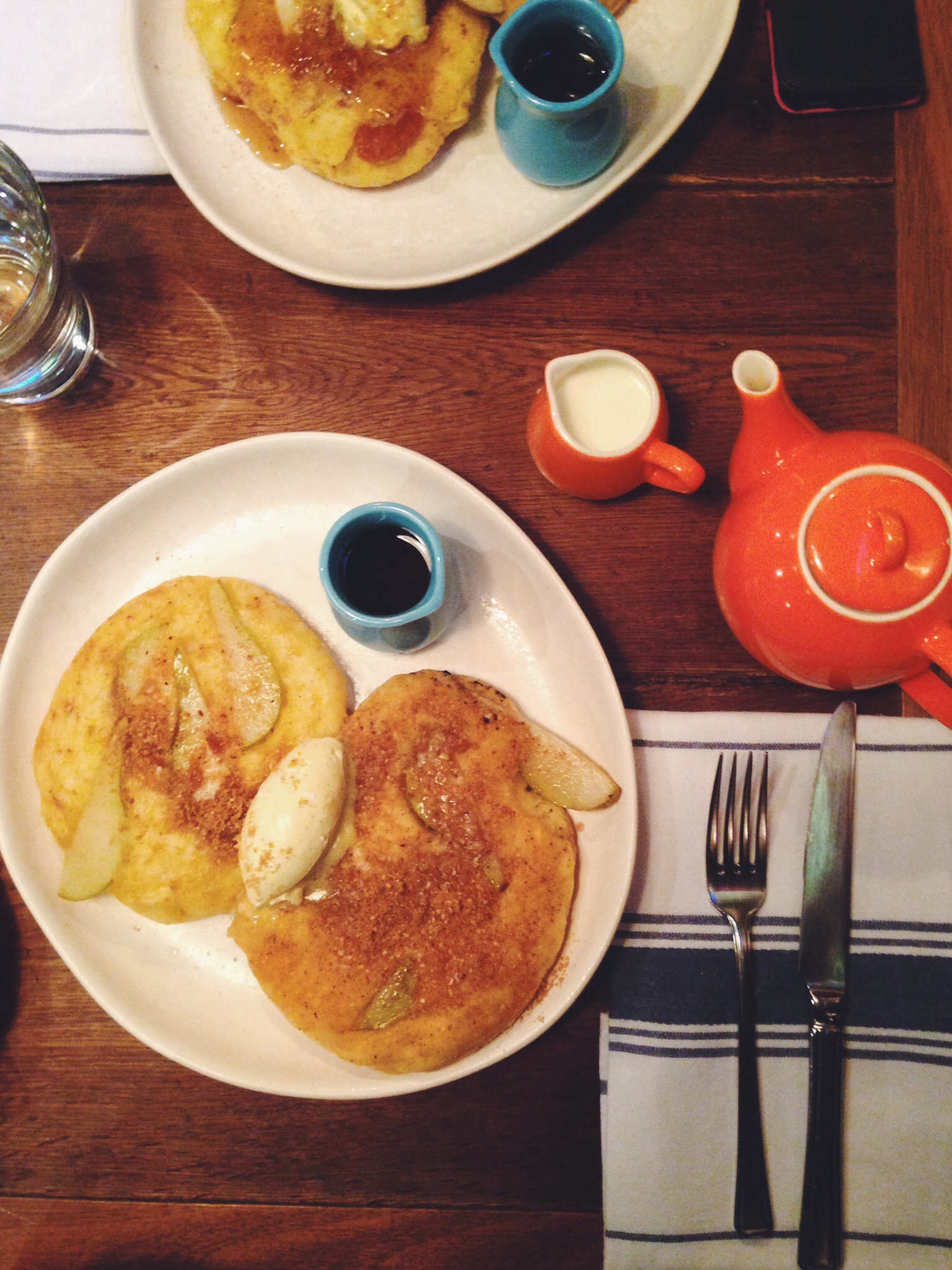
Jenna also ordered the pancakes, and Sarah the bowl of steamy porridge.
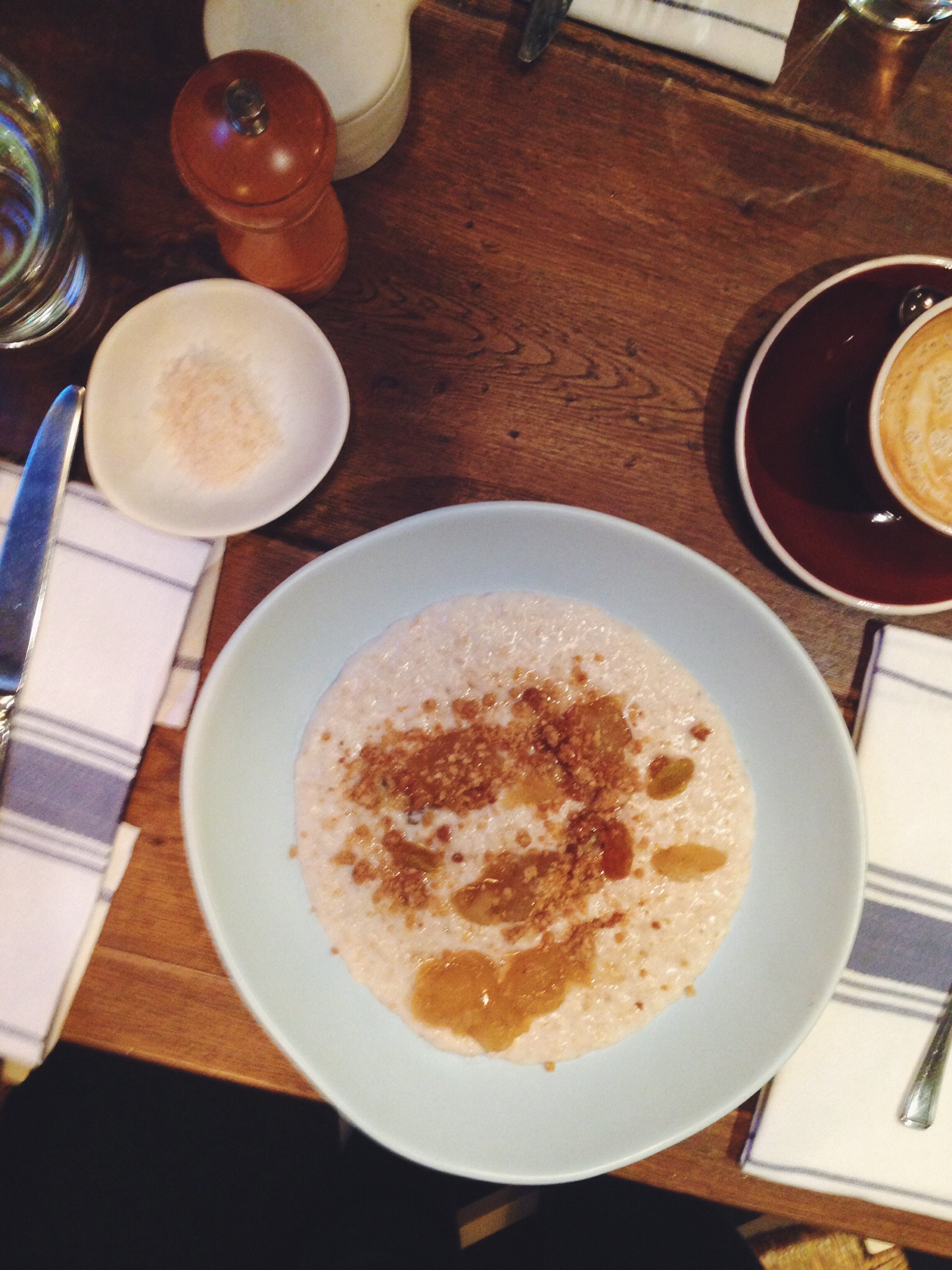
From observations of other diners pancakes we were expecting one pancake on a plate. Apparently you actually get two. Oh my god. They were light and fluffy and at least one inch tall. The topping was sweet and brought back memories of cinnamon donuts and sheepvention (sheep expo that warrants a day off school. Look it up, it’s a thing.) The pears were tender and the portion of marscapone just perfect.
They were delicious. Not quite life-changing but definitely put them on your to-do list.
We talked jobs, health, cheerleading and theatre productions. Naturally, we discussed blogging.
A common thought expressed was that feeling that you’re talking to no one when blogging. So please, if you read our blog and like them, please let us know. If you don’t like them, also let us know – we love to know how we can improve and keep you coming back for more.
We shared tips, and discussed contradictions such as two dietitians eating pancakes for breakfast.
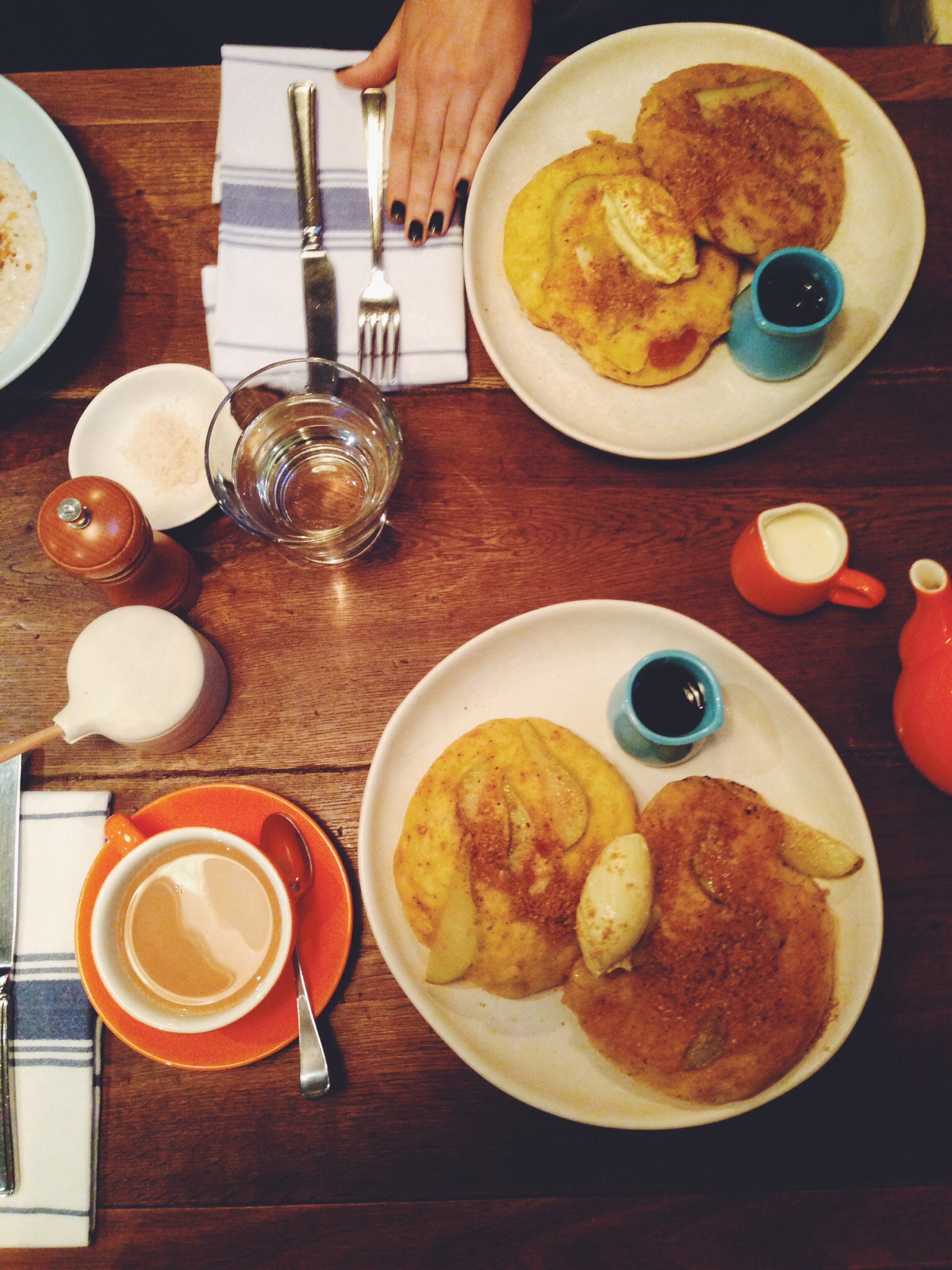
It was this discussion that triggered my post today.
Earlier this year I went to the Queen Victoria Night Markets. On recommendation from a friend, I stopped by the gelato stand and bought myself a scoop of choc-mint and of course, I instagrammed it. One person commented on this post, ‘You eat so clean.. this is such a waste.’
What would have been a waste was if the mint tasted artificial, or the huge crowd caused me to drop my cone on the ground; or if I let this comment get to me.
I’m writing this post because there is so much pressure on everyone to eat the perfect diet. I’m tired of people feeling guilty because they ate cake at a birthday party or they missed their morning green smoothie. I myself have spent years looking at menus trying to choose the healthiest option and it wasn’t enjoyable. Not because healthy foods taste bad (this is definitely not the case), but I created such a negative notion around my choice and was too busy worrying about my weight than enjoying the company of my friends.
Today I am a firm believer in everything in moderation and strongly believe that if you are going to indulge a little, make sure it tastes good and you enjoy it.
When I was doing my undergraduate degree, I was lucky to gain two days observational work experience with Zoe Nicholson APD.I learnt quite a lot and left with a few key messages stuck in my mind. I don’t remember the exact wording but one of these was : You have twenty-one meals a week. Ensure that 18-19 of these are healthy and you’ll be okay.
For me, yesterday looked a lot like this:
Chobani greek yoghurt with homemade muesli, seeds, coconut flakes and frozen blueberries for breakfast. Poached chicken with apple & fennel slaw for lunch, and dinner was left over curried vegetable pie with a side of brussels sprouts, broccoli & carrot. I snacked on raw carrot, rice cakes with peanut butter and after dinner, I had more yoghurt topped with apple and cinnamon.
Monday looked a lot the same. Tonight I have plenty of vegetables to whip up a chicken stir fry and I’ll likely have yoghurt and fruit after.
So, in the context of a healthy, balanced diet, those pancakes don’t look so bad do they?
It’s also important to look at how we eat.
I sat in a cafe and enjoyed the company of friends. I put down my knife and fork and paused between mouthfuls. I poured myself some tea and sipped on water. We discussed the pancakes flavour, the lovely crust and the gooey centre. And I stopped eating when I was full.
All my attention was focused on the people I was with and the food. This is called mindful eating. Being mindful of the food we eat helps us disconnect from the habitual behaviour we often engage in. How often do we eat our food whilst checking our emails and updating our Facebook status, and find we have eaten the entire plate of food without really enjoying the food or feeling satisfied? How often do you eat because the clock says it’s lunch time or because you’re bored? We are all guilty of this mindless eating. Some more than others, and this is what can contribute to weight gain.
By switching off our phones or the television we allow our brains to focus on the food we eat. We recognise some food as treats and learn to listen to our satiety signals. We can fulfil our cravings and learn to develop a satisfying, healthy and enjoyable relationship with food.
So today I had pancakes for breakfast, they were delicious and it wasn’t the end of the world.
Happy Wednesday.
Emma xo
 Broccoli & blueberries